Probate Assets in Estate Planning Defined
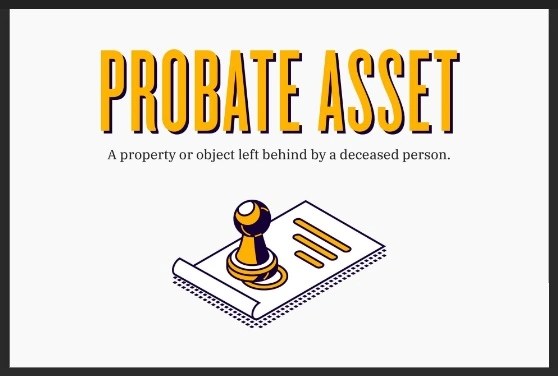
Probate assets are property owned solely by a deceased person that usually must pass through probate court before heirs can receive them. These assets do not have automatic transfer instructions such as joint ownership, beneficiary designations, or trust ownership. Courts supervise their distribution to ensure debts are paid and legal ownership is properly transferred.
Understanding which assets require probate helps families prepare for estate settlement timelines, avoid unexpected legal costs, and make more effective estate planning decisions.
Which Assets Are Not Considered Probate Assets
Non-probate assets transfer automatically to beneficiaries or surviving owners without court supervision. These commonly include:
-
Jointly owned property with rights of survivorship
-
Life insurance policies with named beneficiaries
-
Retirement accounts such as IRAs or 401(k) plans
-
Payable-on-death bank accounts
-
Transfer-on-death investment accounts
-
Assets held in a revocable living trust
Because ownership transfers by legal designation or contract, these assets typically bypass probate proceedings.
Which Assets Go Through Probate?
Probate applies to assets solely owned by the deceased person that don’t have joint ownership, payable-on-death designation, beneficiary designations, or are not included in a Living Trust. These assets typically include:
– Bank accounts and investments
– Stocks and bonds
– Vehicles (like cars, boats, or airplanes)
– Business interests
– Real estate
– Personal belongings and household items
Assets held as tenants-in-common, where multiple owners have shares in a single asset, also go through probate. For instance, if you own part of a property with someone else, your share may need probate if not specified otherwise.
Do Household Items Go Through Probate?
Yes, household items such as furniture, clothing, collections, artwork, and jewelry go through probate because they don’t have specific titles. However, although they may not have high monetary value, they hold sentimental worth and are distributed by the estate executor unless specified in a Living Trust.
Does Estate Size Affect Probate Requirements?
Estate size can significantly influence whether probate is required and how complex the process becomes. Many states allow simplified probate procedures or small estate affidavits when the total value of probate assets falls below a statutory threshold. These limits vary by jurisdiction and typically apply only to assets titled solely in the deceased person’s name.
Even when an estate appears large overall, certain property may still avoid probate if it transfers by beneficiary designation, joint ownership, or trust planning. Executors should carefully review ownership structure and asset classification before assuming full probate administration is necessary. Understanding state-specific thresholds early can help families reduce legal costs, shorten settlement timelines, and avoid unnecessary court involvement.
Steps to The Probate Process
The following are some steps involved in the process that is meant to validate the will left behind by the deceased person:
– Identifying and inventorying the decedent’s property,
– Paying off any debts owed by or taxes due from the decedent,
– Distributing any remaining assets to the beneficiaries named in the will.
By this legal process, estates are divided according to what was desired by those who died. Additionally, if no will can be found, then intestacy laws of that particular state would determine how property under an estate is distributed. The length and complexity involved in going through this depend on the size of the property under an estate and disagreements that may occur within family members.
Understanding the Disadvantages of Probate Assets
Understanding the implications of probate assets plays a significant role in estate planning while transferring assets. Herein we shall highlight three pertinent issues regarding these types of properties.
Probate – Time and Cost
Probating an asset might delay its distribution process for a couple of months or often longer. Various fees associated with these proceedings could reduce the overall value of such properties.
Lack of Privacy
Probate is a public process, meaning all details about the deceased person’s properties, debts, and beneficiaries are made public. This lack of privacy can be a concern for individuals seeking to keep their affairs confidential.
Potential Challenges
Probate is subject to legal contestations by disgruntled heirs or creditors. These disputes could drag on in the courts, resulting in more litigation costs.
Strategies to Minimize or Avoid Probate Assets
Establishing Joint Ownership (Joint Tenancy)
One effective strategy to convert probate assets into non-probate assets is by establishing joint ownership. If you add another person’s name—say your wife or anyone else—to your property (for example, real estate or financial accounts), it goes directly to that person when you die because they hold your place. This method ensures seamless transfer of such assets without going through probate.
Creating Revocable Living Trusts
Creating revocable living trusts is a common way to ensure that properties do not go through probate once you pass away. These assets, owned by the trust, cannot subject any party involved other than those named in it. An experienced estate planning lawyer can manage it effectively while alive.
Designated Beneficiaries:
Designating beneficiary accounts are one way to avoid probate for certain accounts, such as:
– Insurance policies,
– Retirement funds,
– Payable-on-death (POD) bank accounts.
Beneficiaries receive these assets directly, bypassing probate. It’s important to review beneficiary designations periodically, particularly during major life changes such as marriage, divorce, or the birth of children.
Conclusion
Understanding and using the right approach to probate property can cut court costs and preserve family privacy. Additionally, this article will provide you with some basic concepts of estate planning by defining what probate assets are, further explaining the process of probate, as well as outlining the implications of this procedure and giving hints on how to minimize or eliminate it completely. Moreover, when one wishes to plan for their own future, it is essential to seek services from experts in the field related to these matters. This ensures clarity in making decisions about properties and protects the rights of close persons from the complexities involved.
FAQ Related to Defining Probate Assets in Estate Planning
Probate assets are property items owned solely by a deceased individual that must pass through probate court before distribution. These typically include real estate, bank accounts, personal belongings, and business interests without beneficiary designations or joint ownership. Courts supervise their transfer to ensure debts are paid and beneficiaries receive assets according to the will.
Assets generally go through probate when they are titled only in the deceased person’s name and lack transfer mechanisms such as joint ownership, payable-on-death designations, or trust ownership. Examples include individually owned property, vehicles, investment accounts, and valuable personal possessions. Probate ensures legal validation of ownership and proper distribution under estate laws.
An asset usually goes through probate if it is titled only in the deceased person’s name and has no joint owner or named beneficiary. For example, individually owned bank accounts, real estate, or vehicles often require probate. Reviewing ownership documents and account designations helps determine whether court involvement will be necessary.
Editorial Review:
This article was prepared by estate planning researchers and reviewed by S. Miller and staff. With more than 25 years of experience in estate planning documentation and probate processes, our editorial oversight ensures clarity and accuracy. This content is provided for informational purposes only and does not constitute legal advice.
[View Our Editorial Policy]