
End-of-life planning should be a priority at any age because organizing your essential documents provides peace of mind for both you and your loved ones. Moreover, careful preparation ensures your wishes are honored and makes handling your affairs far easier and far less stressful for family members after your passing. In this article, we will explain the key benefits of end-of-life planning, outline every essential document you should prepare, provide a step-by-step checklist, and offer practical tips for storing and securing your information so it is immediately accessible when needed.
This legal document outlines your wishes for the distribution of your assets after your death. It can also include instructions about who should act as the executor of your estate or who should care for your minor children.
CLICK HERE to WRITE A FREE LAST WILL & TESTAMENT in all 50 STATES
A trust is a legal arrangement where you transfer ownership of your assets to a trustee who manages them on your behalf. A revocable living trust can help you avoid probate and ensure that your assets are distributed according to your wishes.
Some assets, such as life insurance policies, retirement accounts, and bank accounts, have designated beneficiaries. Make sure to keep these designations up to date, so the assets go to the intended beneficiary.
A durable financial power of attorney designates someone to manage your financial affairs if you become incapacitated and are unable to do so yourself.
If you have pets, consider creating a trust to provide for their care after your death.
This document designates someone to make medical decisions on your behalf if you become incapacitated and are unable to make them yourself.
A living will is a legal document that explains what medical care you want if you become unable to make decisions. It allows you to state your treatment preferences and name someone to speak for you, ensuring your wishes are followed during serious illness or emergencies.
Living Will / Advance Medical Directive Forms for Every State
Life insurance can provide financial support for your loved ones after your death.
Consider outlining your preferences for end-of-life care, such as whether you want to receive care at home or in a hospice facility.
If you have online accounts or digital assets, consider creating instructions for how they should be managed after your death.
Download a Digital Assets Form
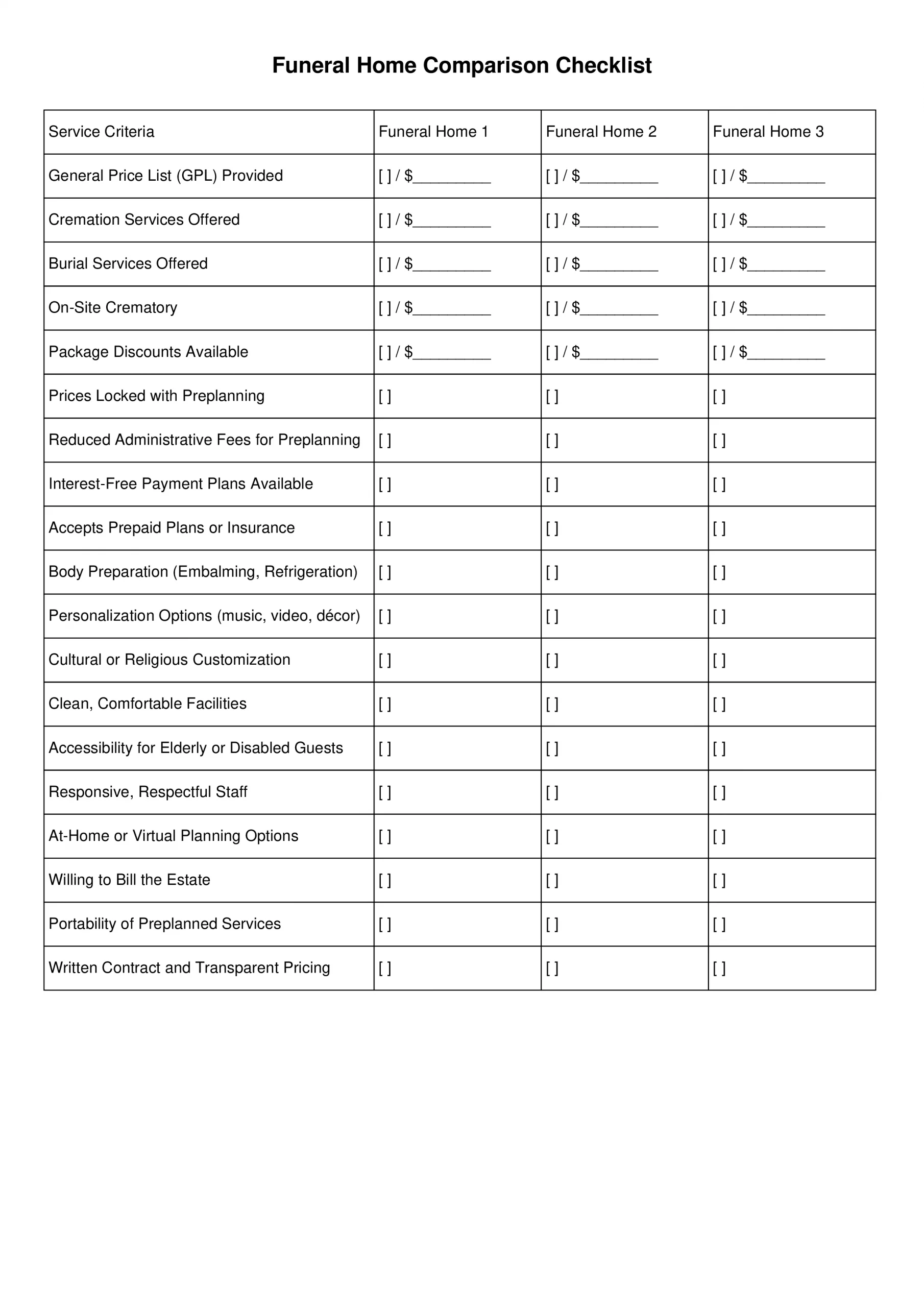
Outline your wishes for your funeral and burial, including whether you want to be cremated or buried, and what type of service you want.
Consider registering as an organ donor and discussing your wishes with your family.
Make sure to communicate your wishes and plans to your loved ones, so they are aware of your desires and can help carry out your wishes.
Planning for the end of our lives is not easy, but it is an essential step in protecting ourselves and our loved ones. By taking the time to create a comprehensive plan, we can ensure that our wishes are respected, our loved ones are provided for, and our legacy lives on.
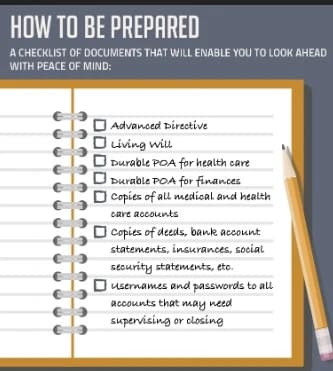
Before your family can settle things with an estate lawyer, they will need access to the following information. Here is a checklist of documents you will need when planning for end-of-life.
All of these documents work together to show what you have, what you owe, what’s leftover, and what you want to be done with your assets. The list above is crucial to end-of-life planning.
Before attempting to organize them, go through the list of necessary documents, and gather copies of each. Some documents require notarization, while others you can simply pull from past records.
File plans can seem outdated in a technical world, but they are helpful when it comes to keeping things organized. Clearly label files, and keep copies of all your documents in a locked file box.
Even if you don’t use a filing plan, home safes are a great place to lock your important documents. If you use a home safe for your original copies, make sure you use a fire-proof safe as protection against potential home disasters.
If you aren’t a fan of keeping track of hard copies, consider scanning your documents and keeping digital copies. Store digital copies so that individuals with the proper authority can access them when necessary. Sidedrawer.com has free iCloud storage to the public and attorneys. Once your account is established, register your documents with The U.S. Will Registry. Registration allow you to inform family members where they can go to access your documents. This is assurance your documents are secure and safe from destruction or disappearance. It also allows family member to access the documents from any location.
In 1997, The U.S. Will Registry created a solution to address a significant gap. The U.S. Will Registry documents the location of your will or other end-of-life documents in a database, which enables later access. As a result, families and beneficiaries can use this service to locate lost wills and estate planning documents of those who have passed away.
Moreover, Sidedrawer.com offers free iCloud storage to the public, which ensures the safety, accessibility, and security of your documents. Similarly, both The U.S. Will Registry and Sidedrawer.com require that only those family members listed in the file as having permission to access your information. Additionally, we require a photo ID and death certificate to be provided.
CLICK HERE to WRITE A LEGAL WILL in all 50 STATES
End of life planning means organizing the documents and instructions your family will need after your passing. This planning protects your wishes, reduces confusion, and prevents legal delays. When your documents are organized, your loved ones avoid unnecessary stress and financial burden. It also ensures your medical, financial, and funeral preferences are clearly followed.
An end of life planning file should include your will, trusts, beneficiary designations, powers of attorney, living will, life insurance information, funeral wishes, digital-asset instructions, and important personal identification documents. These items allow your executor and family to settle your estate, follow your wishes, and prevent legal or financial delays.
You should store end of life planning documents in a secure place, such as a fire-proof safe, organized file system, or encrypted digital vault. Many families now choose online storage because it prevents loss or damage. Services like Sidedrawer.com and The U.S. Will Registry provide safe digital storage and controlled family access.
Yes. A will is a core part of end of life planning because it directs how your assets should be distributed. It also names an executor and can address guardianship for children. Without a will, state law decides everything. The U.S. Will Registry also offers a free legal will you can create in all 50 states.
This article was prepared by estate planning researchers and reviewed by S. Miller and staff. With more than 25 years of experience in estate planning documentation and probate processes, our editorial oversight ensures clarity and accuracy. This content is provided for informational purposes only and does not constitute legal advice.
[View Our Editorial Policy]