

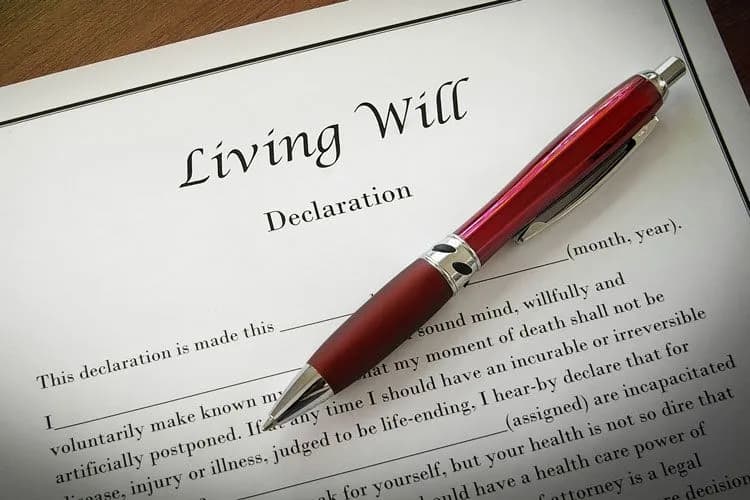
Creating a printable living will form first requires locating a site that offers printable living will forms. Having a living will is a vital aspect of estate planning, ensuring the respect of your wishes for medical care and other matters during emergencies. While crafting a legally-binding document may seem daunting, it doesn’t have to be.
This guide will provide you with step-by-step instructions on how to create a printable living will that is customized to your wishes. You’ll also learn how to update it as your needs change over time. With the right information and a little effort, you’ll be able to have peace of mind. This comes from knowing that your wishes are in writing and will be respected by your family and medical team.__
A living will, often referred to as an Advance Directive, is a document that allows you to express your wishes for medical care. This is particularly important in situations where you are unable to communicate due to medical circumstances such as a coma or being in a vegetative state.
This document can be useful in situations where a person has become incapacitated and unable to communicate their wishes for end-of-life care. This can include things such as the desire to be on life support and receive artificial nutrition and hydration, or stop receiving these treatments and be placed under palliative care.
There is also a related document called a durable power of attorney for health care (or health care proxy) that gives someone the legal authority to make decisions about your medical care if you are unable to do so yourself.
A living will can also help avoid difficult conversations with loved ones who may disagree with your wishes. A living will is not a substitute for a will or trust, but it’s an important part of any person’s estate plan.
A living will should include information such as the type of medical care you would like to receive or not receive if you cannot make those decisions yourself due to an illness or disability. You should also include other instructions and wishes, such as who has your health care power of attorney or durable power of attorney for health care.
Also, state your preference regarding being kept alive through artificial means, such as life support, or if you prefer palliative or hospice care. Likely, you’ll want to exclude young children from the process. Consider including older children or other close loved ones in the decision-making process.
There are a few different ways you can go about creating your living will. You can write it by hand, type it on a computer, or use a program designed for the purpose. Handwritten living wills are legally valid in every state, so you don’t need to worry about formatting or how your writing looks.
Programmed living wills have the advantage of letting you fill out multiple versions to account for changes in your health and wishes over time.
Make certain you store your living will in a safe place. It is advised that you store any estate documents in SideDrawer.com, a free secure iCloud storage. iCloud storage is always accessible from where ever you or your loved ones are.
You can also store a copy of your living will online or with your other estate planning documents. This will make it easier for your loved ones to find it in an emergency. Sidedrawer.com offers free online storage for estate documents. This not only ensures accessibility from out of state but also prevents its loss or destruction.
In addition to a printable living will, there are a few other important estate planning documents. You should consider creating these documents to ensure that your wishes are carried out after you pass away.
A will is a legal document that lets you specify who will inherit your assets. It also lets you specify who will be responsible for carrying out your final wishes after you pass away. A living trust is a legal arrangement that allows an individual to transfer their assets into a trust during their lifetime. A trustee manages it and then distributes it to beneficiaries upon death without the need for probate.
This article was prepared by estate planning researchers and reviewed by S. Miller and staff. With more than 25 years of experience in estate planning documentation and probate processes, our editorial oversight ensures clarity and accuracy. This content is provided for informational purposes only and does not constitute legal advice.
[View Our Editorial Policy]