What Is a Beneficiary
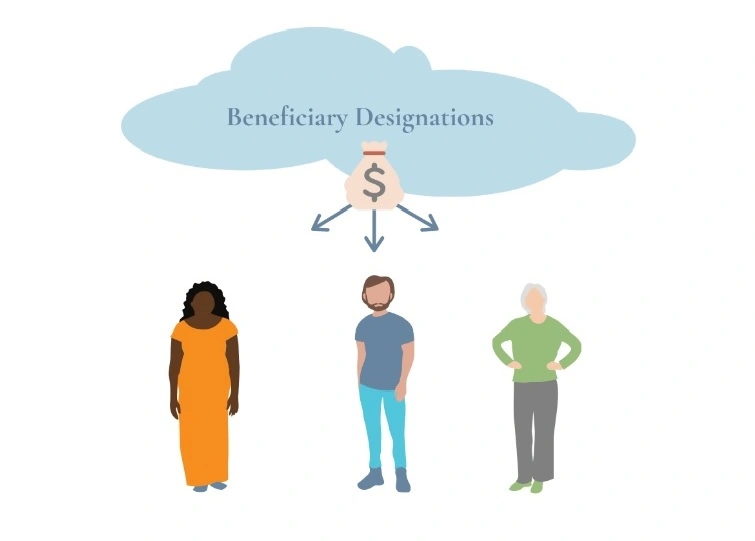
What is a beneficiary and their role is essential to understand when creating a will or planning your estate. A beneficiary is the person or organization you legally name to receive your assets after your death. Their role is to inherit property, funds, or specific gifts according to the terms of your will, trust, or account designation.
In a will, beneficiaries receive probate assets after the executor settles debts and the court validates the document. In a trust, beneficiaries receive assets under the trustee’s administration, often without court involvement. For life insurance and retirement accounts, the named beneficiary usually receives the funds directly, outside of probate.
Understanding a beneficiaries role helps you avoid mistakes, coordinate account designations, and ensure your estate transfers according to your written instructions.
What is a Beneficiary in a Will: Their Role and Importance
A will is one of the most common estate planning tools, allowing individuals to name people or organizations who will receive their assets after death. Named recipients (can include family, friends, charities, or any other entity the testator selects.
In contrast, when someone dies without a will, state law distributes their assets to legal heirs under intestacy rules. Heirs typically include spouses, children, and other close relatives. However, a valid will lets you disinherit heirs and leave your estate to anyone you prefer. This flexibility makes creating a will extremely important.
For a detailed explanation of how probate works, see Probate Explained Complete Guide.
To understand how intestacy affects inheritance when there is no will, read Intestacy and Probate: How Do They Relate.
Difference Between Heirs and Named Recipients
While both heirs and recipients may inherit, they are not always the same. Heirs inherit by default under state law if no valid will exists. Unlike heirs who inherit automatically, beneficiaries in a will are chosen intentionally and listed by name in the document. On the other hand, the testator directly names designated recipients in legal documents, which may include non-relatives such as friends or nonprofit groups.
A major benefit of estate planning is the ability to override inheritance laws by clearly naming individuals or entities. You can update beneficiaries in a will as your life changes.
Categories of Named Recipients
There are three main categories of beneficiaries in a will:
- Primary Recipients – These individuals or entities are first in line to receive distributions.
- Secondary or Backup Recipients – They receive assets only if primary recipients cannot accept them.
- Contingent Recipients – These individuals inherit only if specific conditions are met, such as the absence of all primary and secondary recipients.
How to Know If You’re Included in a Will
Sometimes, people learn in advance that they are included as beneficiaries in a will. In other cases, they discover this only after someone passes. If probate is necessary, the court validates the will, and the appointed executor informs all parties.
Executors prepare and send a Notice of Appointment to everyone involved. This notice includes the executor’s contact information and the court details. Most states require the executor to send notifications within 30 to 90 days of court approval.
To better understand the executor’s responsibilities, see Executor of Estate: A Guide for Families and Loved Ones.
For more details about an executor’s authority, review What Can an Executor Do.
Why It’s Crucial to Name Beneficiaries in a Will
Identifying beneficiaries in a will ensures that your estate is distributed based on your intentions. When beneficiaries in a will are clearly identified, the executor can distribute assets efficiently and according to your wishes. Ambiguous wording or outdated beneficiary information can lead to costly court involvement.
You can name beneficiaries in:
Wills
Trusts
Insurance policies
Retirement accounts
Investment accounts
You should regularly review these designations, especially after major life events like marriage or divorce. Otherwise, outdated choices might override your current wishes.
If you are comparing estate planning tools, read Will vs Trust: Understanding the Difference.
Steps to Name Beneficiaries in a Will
You can name beneficiaries using the forms associated with your accounts or legal documents. For instance:
In a will, list names and what each beneficiary should receive.
For insurance and retirement accounts, complete a beneficiary form.
Trust documents contain specific language that defines who receives what.
A financial planner or estate attorney can help you complete and submit everything correctly.
Updating Beneficiaries in a Will Over Time
Life changes, so beneficiaries in a will should change as well. You can update your designations at any time.
Reasons to Revise:
Changes in marital status
Birth or death of family members
Changing relationships
How to Make Updates:
Complete new beneficiary forms
Revise your will
Amend your trust
Sign and witness all updates as required by law
You should also confirm with your financial institution if additional steps are needed.
Advantages of Naming Beneficiaries
- Assist with Probate – Naming beneficiaries allows certain assets to transfer directly and avoid probate.
- Potential Tax Benefits – Certain assets passed to beneficiaries may qualify for reduced tax treatment.
- Greater Control – You control who receives your assets and prevent unintended distributions.
- Reduces major family disputes and separation.
Legal Protection and Disputes
Common Mistakes When Naming Beneficiaries in a Will
Common mistakes include failing to update beneficiaries in a will after divorce, marriage, or the birth of a child. Another frequent error is listing a minor child directly without establishing a trust. Reviewing beneficiaries in a will every few years helps prevent unintended outcomes.
If You’re Not Named in a Will
Being excluded from a will can be surprising or upsetting. Sometimes it’s intentional; other times, it happens due to pressure or oversight.
You can challenge a will if you believe:
The person lacked mental capacity
Someone applied undue influence
The document was forged or improperly executed
For a full legal overview of the process, read Contesting a Will: A Comprehensive Guide.
In many states, disinherited spouses retain the legal right to claim a portion of the estate: Read about Elective Share
What Is a Residuary Beneficiary in a Will?
In a will, there are typically two types of gifts: specific bequests and residuary bequests. A specific bequest is a particular item or amount of money left to a named individual or entity. For example, a grandchild may be left $10,000.
A residuary bequest includes everything left over after all debts, taxes, and specific gifts have been distributed. Residuary beneficiaries in a will often receive the largest portion of an estate because they inherit everything remaining after obligations are satisfied.
Because the residuary is calculated after other obligations are met, these beneficiaries may wait longer to receive their inheritance. Complex estates may take months or even years to fully settle.
Estate Items That Don’t Require Named Individuals
Not all estate matters require separately named beneficiaries in a will. These include:
- Personal Property: Furniture, jewelry, and household items
- Digital Assets: Social media, cloud accounts
- Charity Gifts: Donations in a will
- Funeral Arrangements: Executors manage these details
- Outstanding Debts: The estate pays these before distribution
FAQ’s Related to ‘What is a Beneficiary’?
A beneficiary is a person or organization specifically named in a legal document, such as a will, trust, life insurance policy, or retirement account. An heir inherits only when someone dies without a valid will. In that situation, state intestacy laws determine who receives the estate, usually close relatives.
Beneficiaries are usually notified after the will is filed with probate court. Once the court validates the will, the executor must send formal written notice to all named beneficiaries. In some cases, a person may already know they are named, but legal notification typically occurs during probate proceedings.
A primary beneficiary is the first individual or entity designated to receive a specific asset, such as a bank account or insurance policy. If the primary beneficiary is deceased, refuses the inheritance, or cannot legally accept it, the asset passes to the contingent or secondary beneficiary named in the document.
No, not every asset requires a separately named beneficiary. Personal property and household items are typically distributed through your will. However, financial accounts such as life insurance policies, retirement plans, and payable-on-death accounts should have designated beneficiaries to avoid probate delays and ensure direct transfer.
Yes, you may remove someone from your will at any time, provided you have legal capacity. You can either create a new will that replaces the prior version or execute a codicil that formally amends specific provisions. Proper signing and witnessing are required for the update to remain valid.
Editorial Review:
This article was prepared by estate planning researchers and reviewed by S. Miller and staff. With more than 25 years of experience in estate planning documentation and probate processes, our editorial oversight ensures clarity and accuracy. This content is provided for informational purposes only and does not constitute legal advice.
[View Our Editorial Policy]