

What Is Escheat, and What to Do If You Think the Property Is Yours
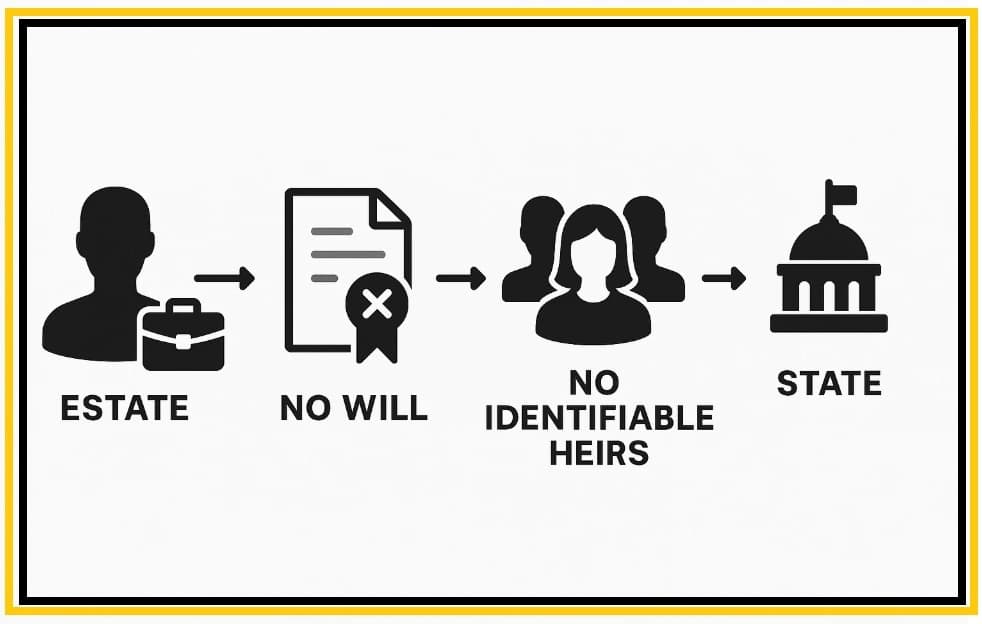
What is escheat? It’s a legal process where property reverts to the state when someone dies without a will and no legal heirs can be found. Escheat laws ensure that property doesn’t remain unclaimed or abandoned forever. If you believe that escheated property belongs to you or your family, there are steps you can take to assert your rights. In this blog, we’ll explore escheat in depth and guide you through what to do if you suspect a rightful claim.
Escheat occurs when a person dies without a will (intestate) and leaves behind no spouse, children, or legal next of kin. In such cases, the government steps in to claim ownership of the deceased person’s property. This includes real estate, bank accounts, retirement funds, uncashed checks, stocks, and even safe deposit box contents.
Although escheat may sound like a rare legal occurrence, it happens more frequently than expected. With busy lives and fragmented families, it’s easy for estates to go unclaimed. Fortunately, there are systems in place that allow potential heirs to recover escheated property, provided they act within a certain timeframe.
To learn more about what happens when a will can’t be found, read Can’t Find the Will?
To understand your potential right to property, let’s first look at why escheat happens in the first place:
Knowing how and why escheat occurs can help you spot signs that a deceased relative’s assets may be at risk.
A valid will plays a critical role in preventing escheat. When someone dies with a properly executed will, the state is obligated to follow the instructions laid out in that document. This ensures that the person’s assets go to the chosen beneficiaries.
However, when no will is found, escheat becomes more likely. Sometimes, a will exists but is misplaced, lost, or never submitted to probate. When this happens, the estate is treated as if there is no will at all. That’s why it’s crucial to keep your will in a secure and accessible location.
Even better, you can register your will with The U.S. Will Registry, a national database that helps ensure your will can be found when needed. If a property has already escheated, and a valid will is later discovered, heirs may be able to reverse the escheat process and reclaim the property. Learn how to do this by reading How to Locate a Lost Will: A Step-by-Step Guide.
If you suspect that you or a family member might be entitled to escheated property, there are several steps you can take:
Every state has an unclaimed property division that maintains a searchable database. Start by visiting your state’s treasury department or controller’s office website.
Websites like MissingMoney.com aggregate unclaimed property records from multiple states. A quick search of your name or a relative’s name may reveal hidden assets.
Visit the probate court in the county where the deceased person lived. Ask whether the court opened a probate case. If no will existed, the court may have declared the estate intestate and transferred it to the state through escheat.
Ask if a probate case was ever opened. If the estate was declared intestate, it may have escheated. Learn more in Guide to Filing a Probate Petition.
If you believe a will exists but wasn’t located during probate, check The U.S. Will Registry. If a registered will is found and it names you as a beneficiary, you may be able to make a claim. For guidance, read How to Search for a Will Using The U.S. Will Registry.
If you locate a property that has escheated, don’t delay. The process of reclaiming it involves several key actions:
You’ll need to prove your identity and your relationship to the original property owner. Typical documents include:
Visit your state’s unclaimed property website and locate the claim form. Complete the form and upload your documentation directly. While some states accept online filing, others require you to send paperwork by mail. Additionally, make sure you follow the instructions precisely to avoid delays.
Once you’ve submitted your claim, follow up with the agency regularly. State agents often review some claims within weeks, but others might take months due to complexity. Furthermore, staying in contact ensures you remain updated on the status of your claim.
Consider hiring a probate attorney if the estate is large, complex, or involves disputes. An experienced attorney will guide you through the legal process and improve your chances of a successful outcome. In fact, professional support can make a significant difference in resolving issues efficiently. For a deeper look into the executor’s role, read Executor of Estate – A Guide for Families and First-Time Executor.
Yes, in many cases, you can reverse escheat. If you prove that you’re the rightful heir or present a valid will, the state may return the property to you.
Each state sets a statute of limitations, which limits the time you have to file a claim—typically between 5 to 15 years, depending on the state. Consequently, acting promptly is essential.
If someone locates a will after the property has escheated, that discovery can still reverse the process. That’s why resources like The U.S. Will Registry can be invaluable. A found will that clearly names beneficiaries can override an escheat ruling and restore property rights. For more, see How to Find Out If You Are a Beneficiary of a Will.
Now that you understand how escheat works, let’s look at ways to prevent it from affecting your own estate:
A will is your best defense against escheat. Make sure it’s signed, witnessed, and stored securely. Better yet, register it with a national database. You can start today with this Free Will Maker – Create Your Will Online Today for Free.
For retirement accounts, life insurance policies, and investment portfolios, update your beneficiary designations regularly.
Use all financial accounts at least once every year or two. Inactivity can lead institutions to label them as abandoned.
Let your family or executor know where to find important documents, account numbers, and login credentials.
This service ensures your will is searchable when it matters most. If anyone ever questions or loses your will, you can use it as legal proof of your wishes.
Understanding what is escheat and how it affects unclaimed property can save you and your loved ones from financial loss. Escheat exists to manage property when no one steps forward, but that doesn’t mean you have to lose what is rightfully yours.
By checking databases, gathering documentation, and knowing where to turn, you can take action to reclaim escheated property. Just remember, time is not on your side. State laws often limit how long you have to make a claim.
If you believe a will was overlooked, start by searching The U.S. Will Registry. A single document could change everything.
Take control of your legacy today and help your family avoid unnecessary complications. Preventing escheat begins with planning, communication, and timely action.
This article was prepared by estate planning researchers and reviewed by S. Miller and staff. With more than 25 years of experience in estate planning documentation and probate processes, our editorial oversight ensures clarity and accuracy. This content is provided for informational purposes only and does not constitute legal advice.
[View Our Editorial Policy]